Last updated on August 22nd 2026
BEST ISLANDS IN INDONESIA
The ultimate guide to Indonesia’s most beautiful islands, from Bali and Lombok to Komodo, Sumba, Java, Rote, The Nusa Islands and the Gili Islands.
Indonesia has thousands of islands, which sounds wonderful until you actually have to decide which ones to squeeze into one trip.
Because Bali? Completely different from Sumba. Komodo? Nothing like Lombok. Rote feels like you’ve reached the end of the earth, while Java can have you hiking a volcano at sunrise and wandering through ancient temples by lunch.
Which Island In Indonesia Should I Visit?
I’ve spent years travelling through Indonesia, and the biggest mistake I see people make is trying to visit too many islands in too little time.
So this isn’t a list of every Indonesian island that looks pretty on Google Images. These are the islands I think are genuinely worth building a trip around, including the famous ones, a few much wilder alternatives, and exactly which Indonesian island I would choose depending on the type of trip you’re looking for.
Whether you want beaches, volcanoes, snorkeling, culture, wildlife or somewhere where you can disappear for a week without seeing another beach club, let’s narrow it down.
Planning a bigger Indonesia trip? Start with my Complete Indonesia Travel Guide or use my 3-Week Indonesia Itinerary to connect several of these islands into one trip. You can also explore my individual guides to Bali, Lombok, Komodo, Sumba, Rote and the Nusa Islands throughout this guide.
- Gili Air, Kabupaten Lombok Utara, West Nusa Tenggara, Indonesia
- Gili Meno, Kabupaten Lombok Utara, West Nusa Tenggara, Indonesia
- Nusa Penida, Klungkung, Bali, Indonesia
- Lembongan Island, Klungkung, Bali, Indonesia
- Gili Asahan, Kabupaten Lombok Barat, West Nusa Tenggara, Indonesia
- West Java, Indonesia
- Sumba, East Nusa Tenggara, Indonesia
- Lombok, West Nusa Tenggara, Indonesia
- Komodo, Kabupaten Manggarai Barat, East Nusa Tenggara, Indonesia
- Bali, Indonesia
QUICK GUIDE
Indonesia Islands at a Glance
Best island for first-time visitors: Bali
Best for adventure: Komodo
Best for culture + volcanoes: Java
Best alternative to Bali: Lombok
Best for wild landscapes: Sumba
Best off-the-beaten-path island: Rote
Best easy island escape from Bali: Nusa Lembongan
Best for snorkeling + island life: Gili Air
Best for couples + quiet: Gili Meno
Best hidden snorkeling escape: Gili Asahan
Best time to visit: Generally May–October
Best months for fewer crowds: May, June, September & October
Best first Indonesia trip: Bali + Nusa Islands + Lombok/Gilis
Best adventure combination: Komodo + Sumba
Best cultural combination: Java + Bali
How long do you need? At least 2 weeks for 2–3 areas, preferably 3–4 weeks for a proper island-hopping trip.
Indonesia is enormous, so don’t plan it like Greece where you can casually hop between five islands in a week. Some routes require flights, ferries, long drives and connections that can happily eat an entire day. If you are planning a bigger trip, my Complete Indonesia Travel Guide goes deeper into how to combine the islands without spending half your holiday in airports and ferry terminals.
WHICH IS BETTER
Compare the Best Islands in Indonesia
| Area | Best For | How Many Days |
| Gili Meno | Quiet beaches, turtles & romantic island life | 2 to 3 days |
| Gili Air | Snorkeling, cafés & relaxed social island life | 2 to 4 days |
| Nusa Penida | Dramatic cliffs, viewpoints & wild beaches | 2 to 3 days |
| Nusa Lembongan & Nusa Ceningan | Easy beaches, mangroves & relaxed island hopping | 2 to 5 days |
| Gili Asahan | Peaceful escape, clear water & offbeat island life | 2 to 3 days |
| Java | Volcanoes, temples, trains & overland adventure | 7 to 14 days |
| Bali | Rice fields, beaches, temples & first-time Indonesia trips | 7 to 14 days |
| Lombok | Surf, waterfalls, quiet beaches & Mount Rinjani | 5 to 10 days |
| Sumba | Wild beaches, traditional villages & rugged road trips | 5 to 8 days |
| Rote | Untouched, off the beaten path road trip destination & surfer’s paradise. | 5 to 8 days |
| Komodo National Park | Liveaboards, manta rays, viewpoints & Komodo dragons | 3 to 7 days |
My advice: don’t automatically choose the island with the most attractions. Choose the island whose travel style matches yours.
If you want everything conveniently packaged together, Bali wins. If you’re happy riding a scooter down empty roads looking for beaches nobody seems particularly interested in developing, I’d send you somewhere like Rote instead.
MAKE YOUR CHOICE
10 Best Islands in Indonesia to Visit
Bali: Indonesia’s Most Famous Island for Culture, Beaches and First-Time Travel
Best for: Culture, beaches, temples, waterfalls, rice fields, cafés, surfing and first-time Indonesia travel
Location: Between Java and Lombok, Indonesia
How long to stay: 7 to 14 days
Best time to visit: Dry season, especially May to October
Good for families: Yes, especially areas like Sanur, Ubud, Nusa Dua and parts of Canggu
Vibe: Beautiful, busy, spiritual, social, scenic and chaotic in places
Getting around: Private driver, scooter, taxi apps or organized tours
Main downside: Traffic, crowds and overdevelopment in the most popular areas



Yes, Bali is touristy. Yes, parts of it are ridiculously busy. And yes, sometimes Canggu traffic makes you reconsider every decision that led you there.
But there’s a reason Bali became one of the most famous islands in the world.
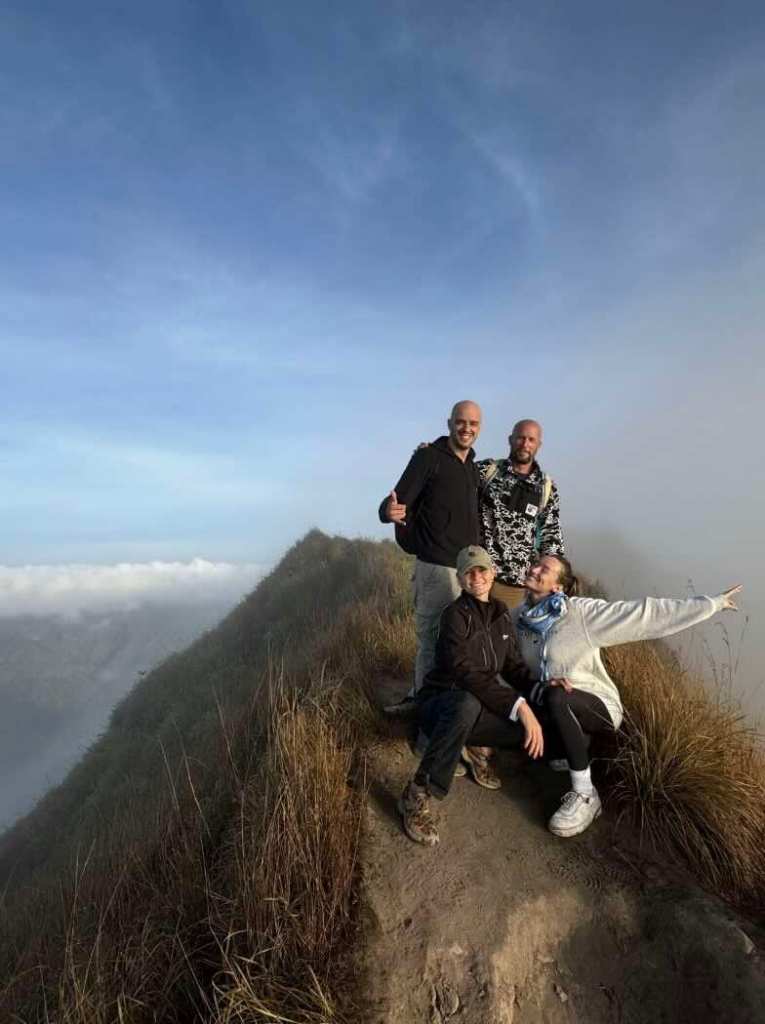
Few Indonesian islands give you this much variety this easily. You can wake up surrounded by rice fields in Ubud, chase waterfalls around Munduk, climb Mount Batur for sunrise, snorkel in Amed, explore temples, eat exceptionally well and finish the trip on the cliffs of Uluwatu.
The trick is not judging Bali solely by its busiest southern areas. Get away from Canggu, Seminyak and the main tourist strip and the island changes enormously.
Why choose Bali? Choose Bali if this is your first trip to Indonesia and you want the easiest introduction to the country without sacrificing adventure.
DON’T CHOOSE BALI IF: your number-one priority is empty beaches and avoiding tourism.
→ READ NEXT: Complete Bali Travel Guide for activities by area, where to stay, getting around, the best time to visit, food, practical travel tips, and everything else you need to plan your Bali trip.




Rote Island: Best for Surf, Empty Beaches & Getting Properly Off the Beaten Path
Best for: Empty beaches, surfing, snorkeling, road trips, local villages and slow island life
Location: East Nusa Tenggara, Indonesia
How long to stay: 5 to 8 days
Best time to visit: Dry season, especially May to October
Good for families: Yes, especially if you hire a driver or are comfortable exploring independently
Vibe: Quiet, tropical, adventurous, local and wonderfully unhurried
Getting around: Scooter or private driver
Main downside: Limited infrastructure, long distances and fewer tourist facilities outside Nemberala
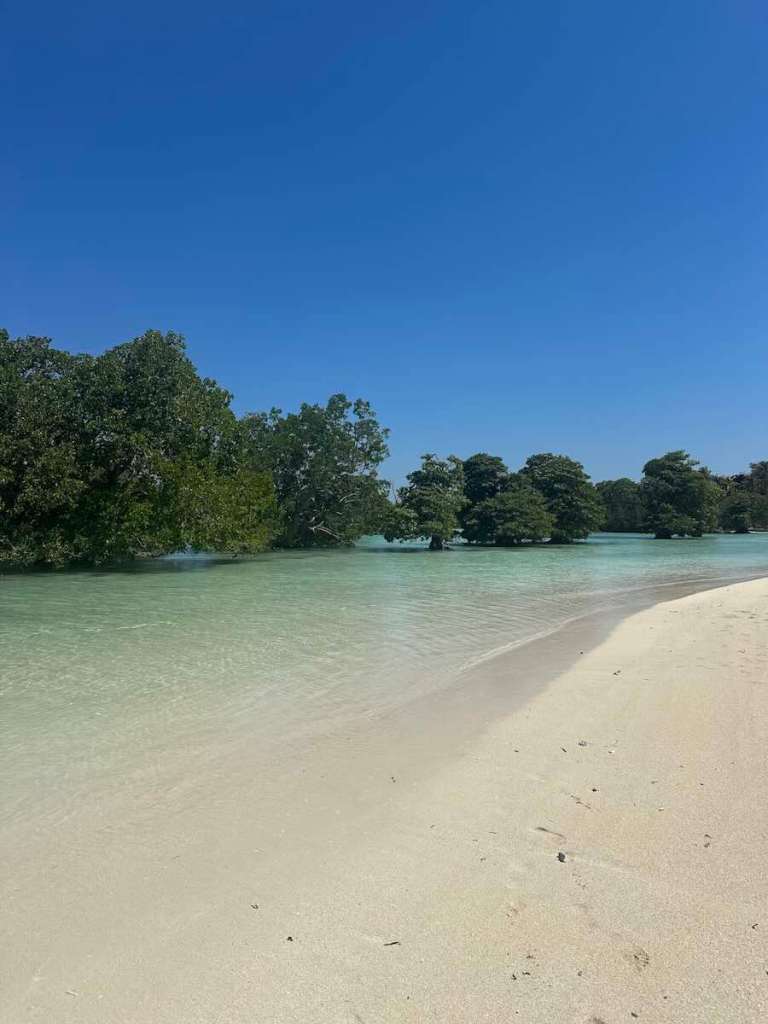
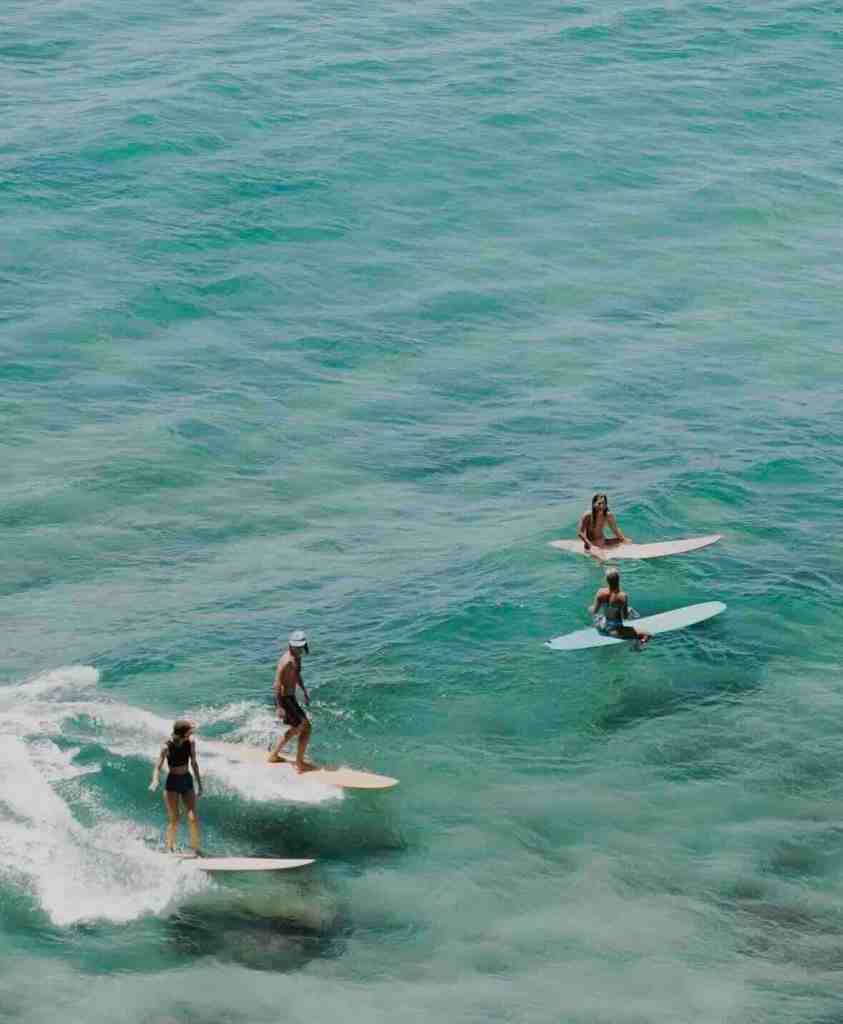

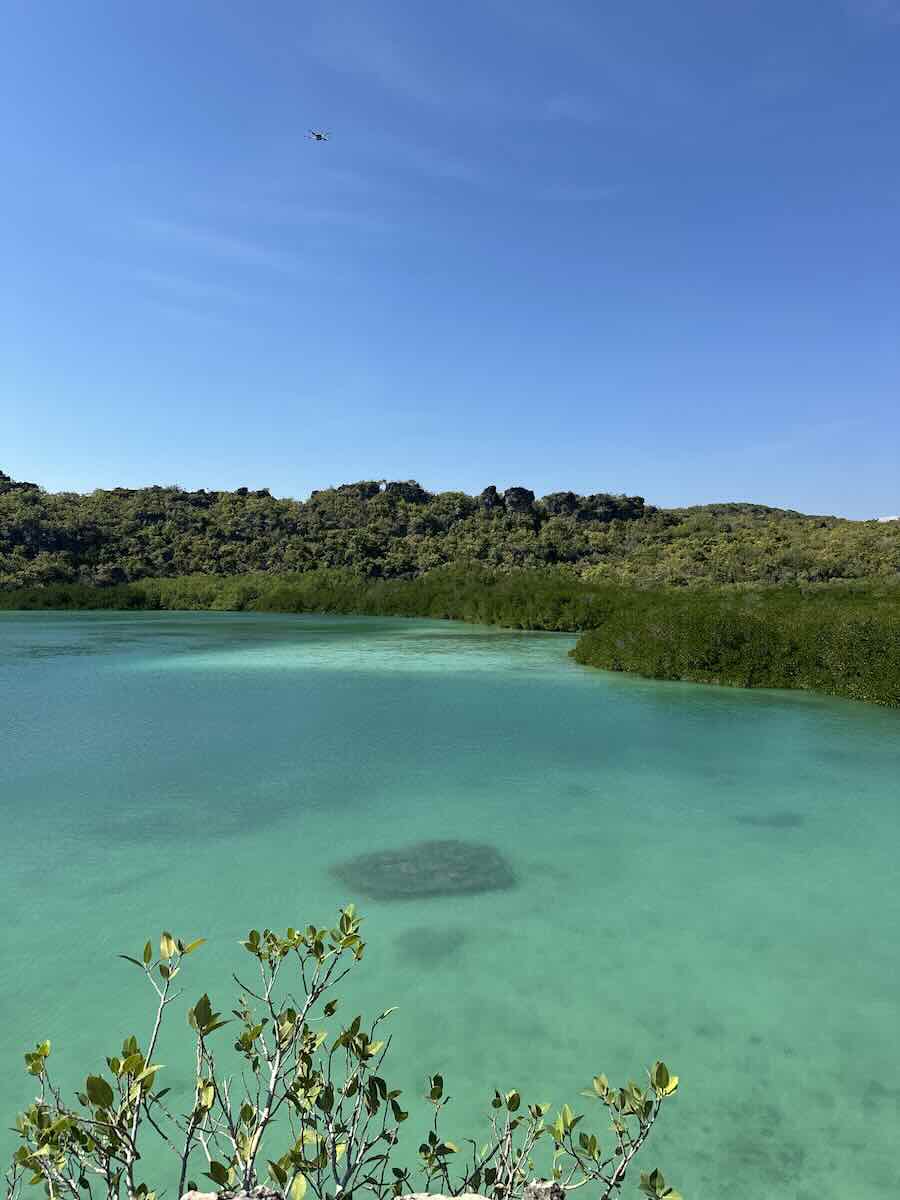

Rote is one of those places that makes you realise just how wildly different Indonesia can become once you get away from the standard tourist trail.
I spent eight days exploring Rote by scooter, boat and on foot, and it became one of my favourite island trips in Indonesia.
There are enormous empty beaches, turquoise lagoons, incredible snorkeling, surf breaks, mangroves, caves and roads where you can drive for ages without seeing much of anything. And that’s exactly the appeal. Rote isn’t polished. You won’t find Bali-level restaurants, endless organised tours or an attraction conveniently waiting every twenty minutes. You need to put more effort into exploring.
But if you want an island that still feels like an actual adventure, this is one of my top choices.
Why choose Rote? Choose Rote if you’ve already travelled around the more famous parts of Indonesia and want somewhere quieter, rawer and much less developed.
DON’T CHOOSE ROTE IF: you need lots of nightlife, luxury infrastructure or organised activities.
→ READ NEXT: Complete Rote Island Travel Guide for activities by area, where to stay, getting around, the best time to visit, food, practical travel tips, and everything else you need to plan your Rote trip.
Komodo National Park: Indonesia’s Best Island Adventure for Dragons, Reefs and Liveaboards
Best for: Komodo dragons, liveaboards, snorkeling, diving, manta rays, island hikes and dramatic landscapes
Location: East Nusa Tenggara, Indonesia
How long to stay: 3 to 7 days
Best time to visit: Dry season, especially May to October
Good for families: Yes, with the right boat and realistic expectations
Vibe: Adventurous, ocean-focused, scenic and once-in-a-lifetime
Getting around: Boat trips, liveaboards, private tours and short transfers around Labuan Bajo
Main downside: More expensive than many other Indonesia islands, and boat quality varies a lot


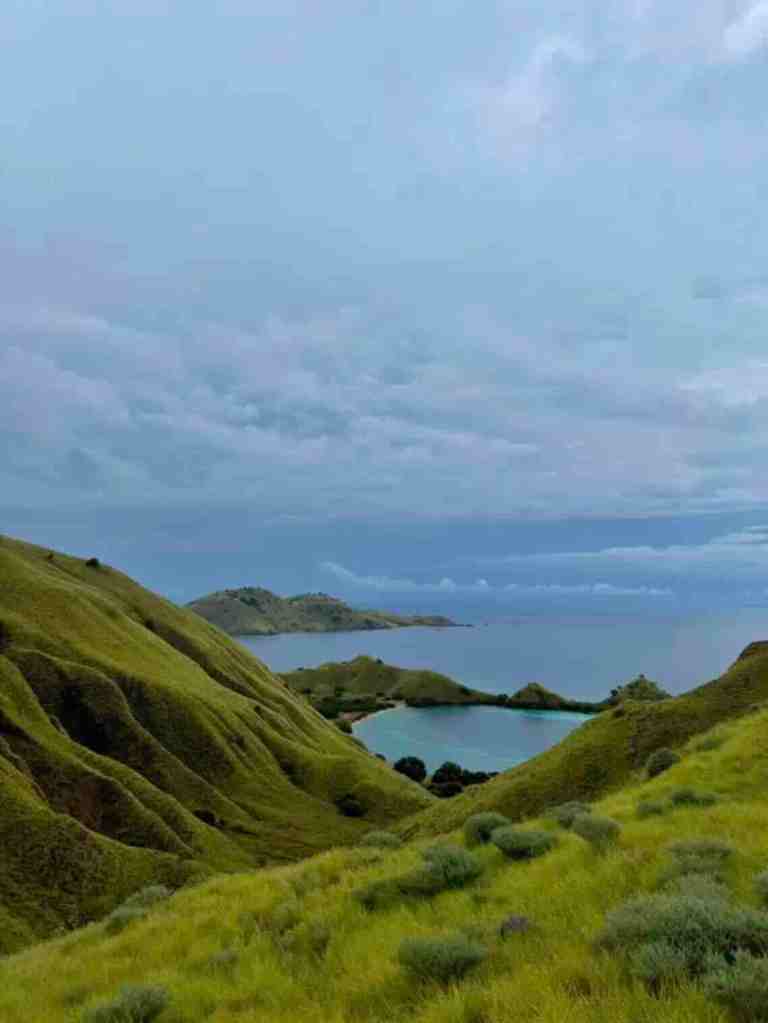
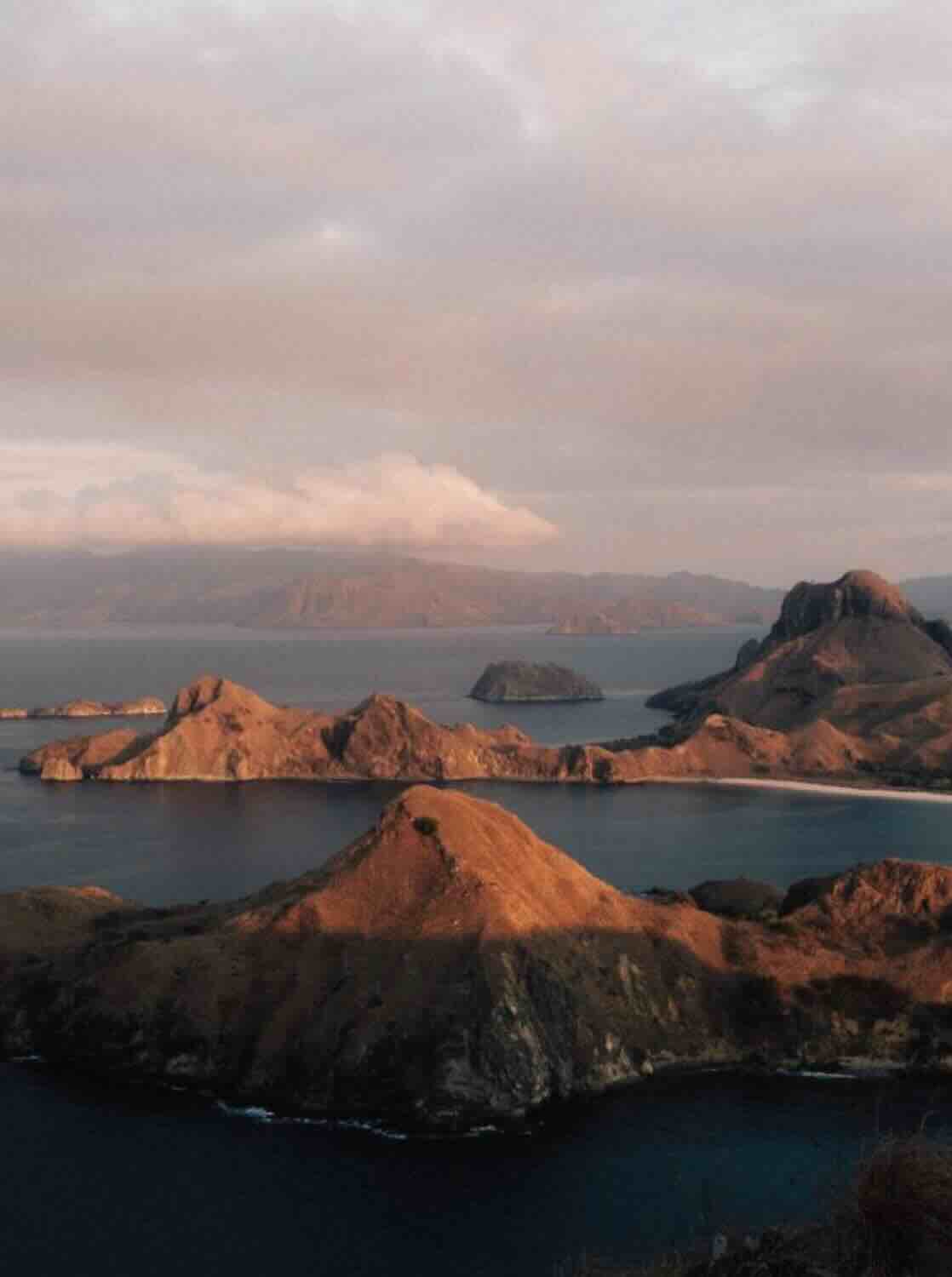
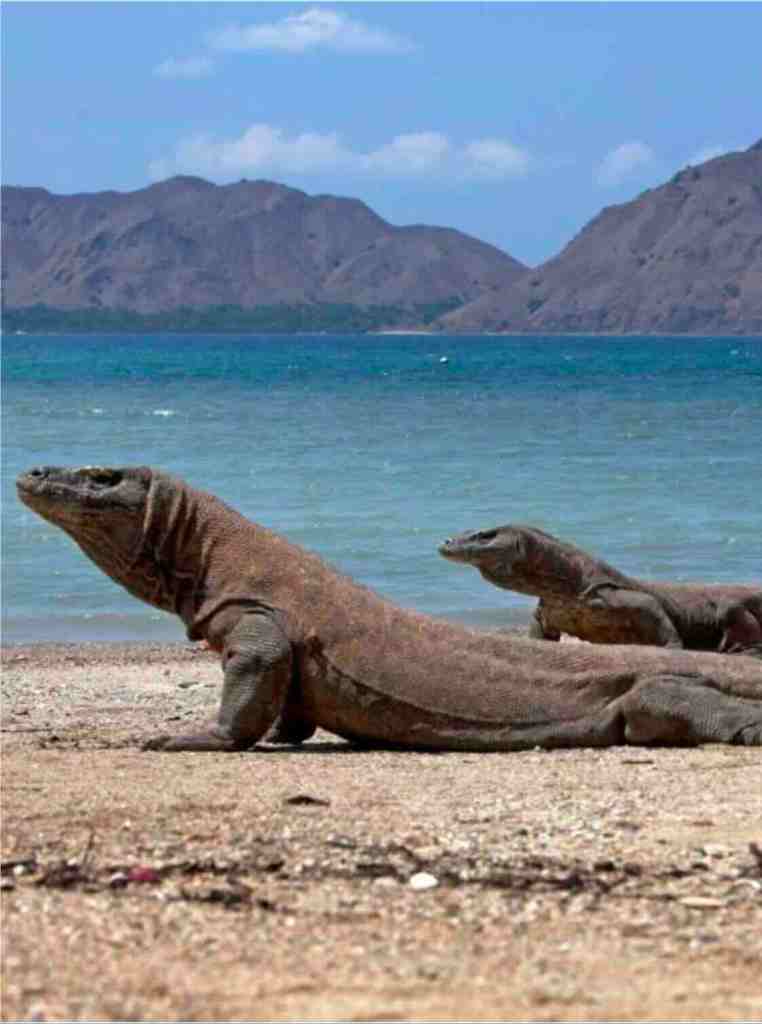
Komodo isn’t really one island experience. That’s precisely what makes it so good.
You’re travelling through an entire archipelago of rugged islands, pink beaches, coral reefs, manta-ray sites and, obviously, the only place on earth where you can walk around looking for actual Komodo dragons.
We spent seven days exploring Komodo by boat, diving, snorkeling, hiking, visiting the dragon park, trying watersports and waking up surrounded by a completely different landscape every morning.
The main reason to visit is the variety. This is not just a beach stop where you lie down and become furniture. One day can include a sunrise hike on Padar Island, snorkeling at Pink Beach, watching Komodo dragons on Komodo Island or Rinca Island, and swimming near manta rays at Manta Point. If you do it by liveaboard, the whole trip feels more immersive because the boat becomes your floating hotel, restaurant, viewpoint and occasional emotional support vessel.
It is more expensive than traveling independently through somewhere like Java or Lombok because you’re dependent on boats for almost everything.
But in terms of sheer WOW-per-day, Komodo is difficult to beat.
Why choose Komodo? Choose Komodo if you want one huge bucket-list adventure rather than spending your holiday sitting on one beach.
DON’T CHOOSE KOMODO IF: you’re travelling on a very tight budget or hate boats.
→ READ NEXT: Complete Komodo National Park Travel Guide for activities by area, where to stay, getting around, the best time to visit, food, practical travel tips, and everything else you need to plan your Komodo trip.
Komodo National Park has been recognized as a UNESCO World Heritage Site since 1991, protecting both the famous Komodo dragons and an extraordinary mix of terrestrial and marine ecosystems. You can read more about the park’s World Heritage status through UNESCO’s official Komodo National Park listing.
Sumba: Roadtrip Island with Empty Beaches, Waterfalls and Traditional Villages
Best for: Empty beaches, waterfalls, traditional villages, road trips, horses and wild landscapes
Location: East Nusa Tenggara, Indonesia
How long to stay: 5 to 8 days
Best time to visit: Dry season, especially May to October
Good for families: Yes, but only with careful planning, a driver and realistic expectations
Vibe: Remote, rugged, scenic, cultural and adventurous
Getting around: Private driver or scooter if you are very confident
Main downside: Long distances, limited infrastructure and rougher travel logistics
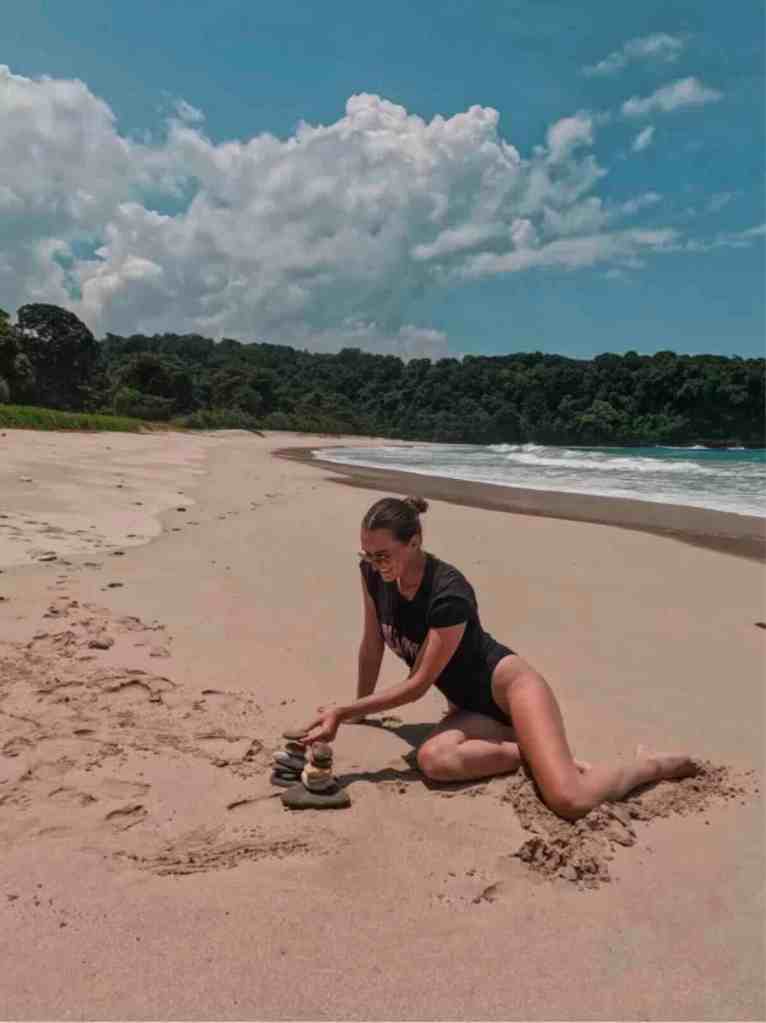


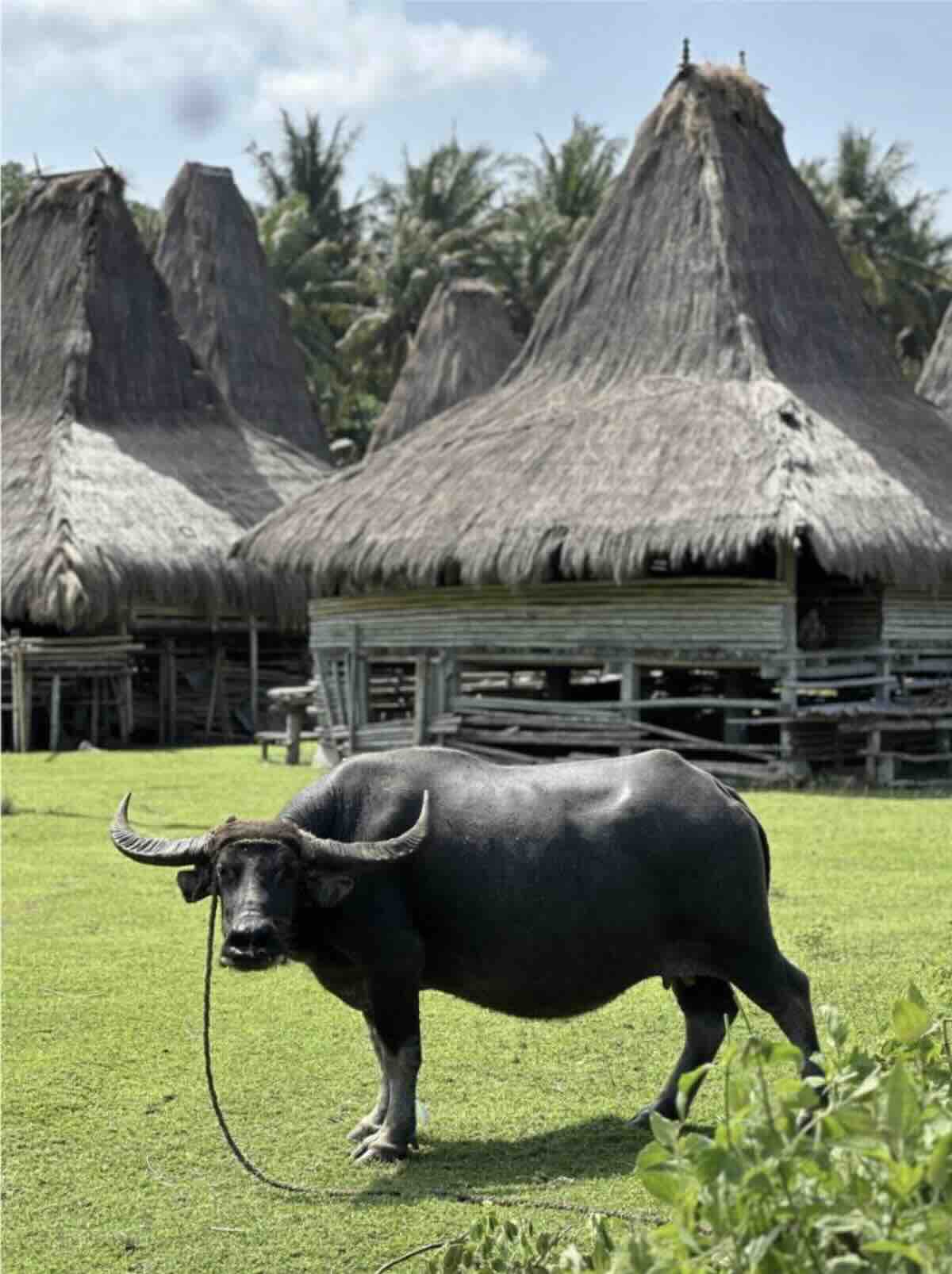

Sumba feels wild. You have traditional villages, enormous stretches of undeveloped coastline, waterfalls, lagoons, rolling hills and roads that feel like they disappear into nowhere.
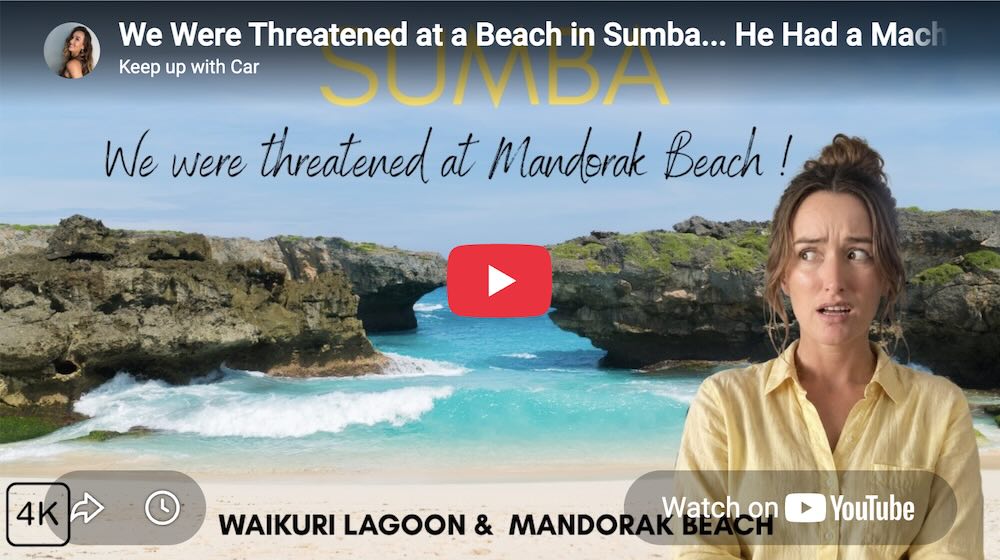
West and Southwest Sumba are some of the most rewarding areas to explore for beaches, traditional villages and lagoons. In Southwest Sumba, visit Ratenggaro Village, Mandorak Beach and Weekuri Lagoon. West Sumba is better for places around Waikabubak, traditional villages such as Prai Ijing and waterfalls such as Lapopu.
It’s one of the most visually spectacular islands I’ve explored in Indonesia, but it’s also an island where I would recommend doing your research before arriving. Distances are long, infrastructure is limited compared with Bali, and getting around usually requires more planning. Sumba can consequently be more expensive than you might expect because transport is limited and private drivers are often useful.
Also, because Sumba is still relatively undeveloped and sees far less tourism than places like Bali, the local mentality and some interactions can feel quite different. I had a few uncomfortable and unfortunate experiences during my time on the island, which I talk about openly in the vlog below.
Why choose Sumba? Choose Sumba if you want culture, dramatic landscapes and a proper road trip, rather than resorts and easy beach hopping.
DON’T CHOOSE SUMBA IF: you want effortless transportation or a highly developed tourist infrastructure.
→ READ NEXT: Complete Sumba Travel Guide for activities by area, where to stay, getting around, the best time to visit, food, practical travel tips, and everything else you need to plan your Sumba trip.
If you want more background on Sumba’s traditional villages, Marapu culture, landscapes and surfing conditions, the official Wonderful Indonesia guide to Sumba gives a useful overview of the island.


Lombok: Indonesia’s Best Island for Beaches, Surfing, Waterfalls and Mount Rinjani
Best for: Beaches, surfing, waterfalls, Mount Rinjani, road trips and quieter island life
Location: East of Bali, Indonesia
How long to stay: 5 to 10 days
Best time to visit: Dry season, especially May to October
Good for families: Yes, especially around Kuta Lombok, Senggigi and the Gili Islands
Vibe: Scenic, adventurous, quieter than Bali and more rugged in places
Getting around: Private driver, scooter, taxi, boat or organized tour
Main downside: Longer distances, less developed infrastructure and some rough roads outside the main areas

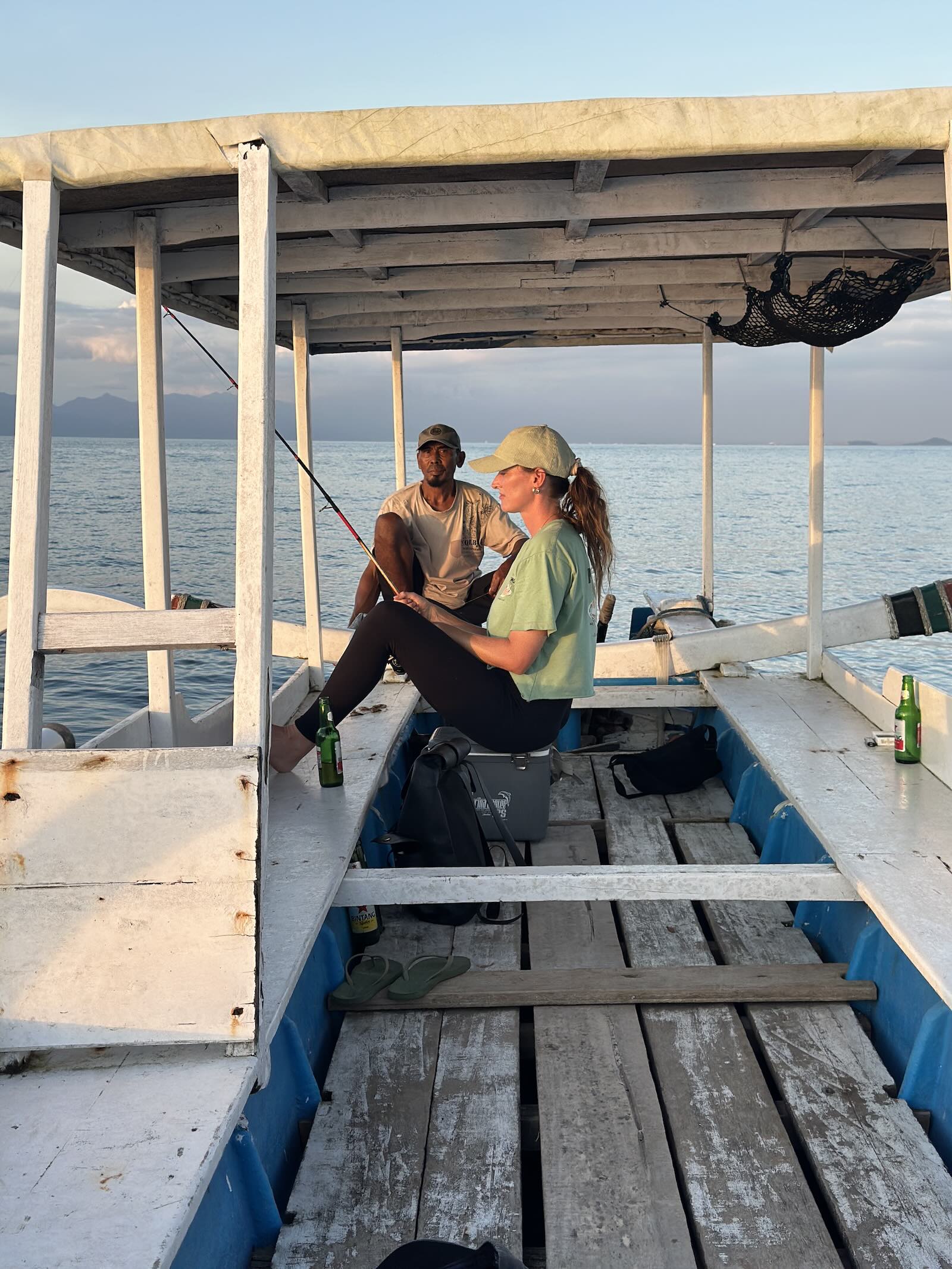



Lombok is constantly described as “Bali before Bali became Bali.”
I don’t particularly love that description because Lombok isn’t Bali. It has its own Sasak culture, landscapes and personality, and deserves to be treated as more than Bali’s quieter little sibling.
Southern Lombok has beautiful beaches and surf, while the north becomes mountainous around Mount Rinjani, Senaru and the waterfalls. Then you have tiny islands scattered around the coastline, including the famous Gilis in the northwest and much quieter islands in southwest Lombok.
Kuta Lombok is the best base for beaches, surfing and a relaxed south coast vibe. This is where many travelers stay because it has restaurants, cafés, surf schools, guesthouses and easy access to some of Lombok’s best beaches. From Kuta, you can visit Tanjung Aan, Selong Belanak, Mawun Beach, Seger Beach and Merese Hill. Tanjung Aan is great for turquoise water and soft sand, Selong Belanak is one of the best beaches for beginner surf lessons, and Merese Hill is perfect for sunset views over the coastline.
One of my biggest Lombok tips is to travel by region rather than bouncing around the entire island every day. The distances are bigger than they look.
Why choose Lombok? Choose Lombok if you want beaches and adventure but would prefer somewhere less developed than Bali.
DON’T CHOOSE LOMBOK IF: you want Bali’s restaurant, shopping and nightlife scene.
→ READ NEXT: Complete Lombok Travel Guide for activities by area, where to stay, getting around, the best time to visit, food, practical travel tips, and everything else you need to plan your Lombok trip.
For a broader overview of the island, the official Wonderful Indonesia guide to Lombok also covers Mount Rinjani, the Gili Islands, southern beaches and transport options around the island.



Java: Best for Volcanoes & Indonesian Culture
Best for: Culture, temples, volcanoes, caves, train travel, local food and overland adventure
Location: West of Bali, Indonesia
How long to stay: 7 to 14 days
Best time to visit: Dry season, especially May to October
Good for families: Yes, but choose routes carefully because Java involves longer travel days
Vibe: Cultural, adventurous, busy, local and more intense than Bali
Getting around: Train, private driver, domestic flights, scooter, taxi apps or organized tours
Main downside: Long distances, busy cities and early wake-ups for the main volcano trips





Java is one of the best islands in Indonesia if you want culture, volcanoes, temples, caves, local cities and a proper overland travel adventure. It is packed with some of Indonesia’s most memorable experiences, from exploring Borobudur and Yogyakarta’s cultural sights to hiking volcanic landscapes at Mount Bromo and Kawah Ijen. You can descend into Jomblang Cave, ride scenic trains through rice fields and villages, visit the colorful streets of Jodipan, explore the cool mountain scenery of Dieng Plateau, or escape into the tea plantations and volcanoes around Bandung. If you want culture, adventure and dramatic landscapes all in one island, Java delivers.
Compared to Bali, Java feels bigger, busier and more local. It is not the island where everything is wrapped up neatly for tourists. Java asks for a bit more effort, but it rewards you with some of the most memorable travel experiences in Indonesia: sunrise over volcanic landscapes, blue fire inside a crater, ancient temples, train journeys, street food and cities that feel very much alive.
Why choose Java? Choose Java if the idea of temples, volcanoes, local food and train journeys excites you more than spending seven days beside a pool.
DON’T CHOOSE JAVA IF: your entire Indonesia fantasy involves tiny tropical islands and white-sand beaches.
→ READ NEXT: Complete Java Travel Guide for activities by area, where to stay, getting around, the best time to visit, food, practical travel tips, and everything else you need to plan your Java trip.


Nusa Penida, Nusa Lembongan & Nusa Ceningan: Best Easy Island Escape From Bali
Best for: Dramatic cliffs, beaches, snorkeling, manta rays and relaxed island life
Location: Southeast of Bali, Indonesia
How long to stay: 4 to 6 days for all three islands
Best time to visit: Dry season, especially May to October
Good for families: Lembongan and Ceningan especially; Penida requires more careful planning
Vibe: Adventure on Penida, laid-back island life on Lembongan, tiny-road exploring on Ceningan
Getting around: Private driver or scooter on Penida; scooter, walking or local transport on Lembongan and Ceningan
Main downside: Penida can get very busy and some beaches and viewpoints involve steep paths, rough roads and dangerous ocean conditions


The Nusa Islands give you three very different islands just off Bali:
Nusa Penida for the huge dramatic landscapes.
Nusa Lembongan for a much easier, slower island stay.
Nusa Ceningan for the tiny-island feel between them.
Penida has the blockbuster sights, including Kelingking Beach, but Lembongan is the island I’d rather actually stay on and enjoy. Together, they’re one of the easiest ways to add proper island time to a Bali trip without flying halfway across Indonesia.
Why choose the Nusa Islands? Choose them if you want dramatic scenery and snorkeling but don’t have enough time to travel to somewhere more remote.
DON’T CHOOSE THEM IF: you’re specifically searching for undiscovered Indonesia. Penida in particular is very much discovered. 😂
→ READ NEXT: Nusa Penida, Lembongan & Ceningan Travel Guide for activities by island, where to stay, getting around, the best time to visit, food, practical travel tips, and everything else you need to plan your Nusa Islands trip.


Gili Air: Best for Snorkeling & Slow Island Life
Best for: Snorkeling, turtles, beach cafés, sunsets and relaxed island life
Location: Gili Islands, northwest of Lombok
How long to stay: 2 to 4 days
Best time to visit: Dry season, especially May to October
Good for families: Yes, especially if you choose a quiet beachfront stay
Vibe: Relaxed, tropical, social but not too party-heavy
Getting around: Walking, bicycle or horse cart
Main downside: Some beaches have coral underfoot, so water shoes are useful
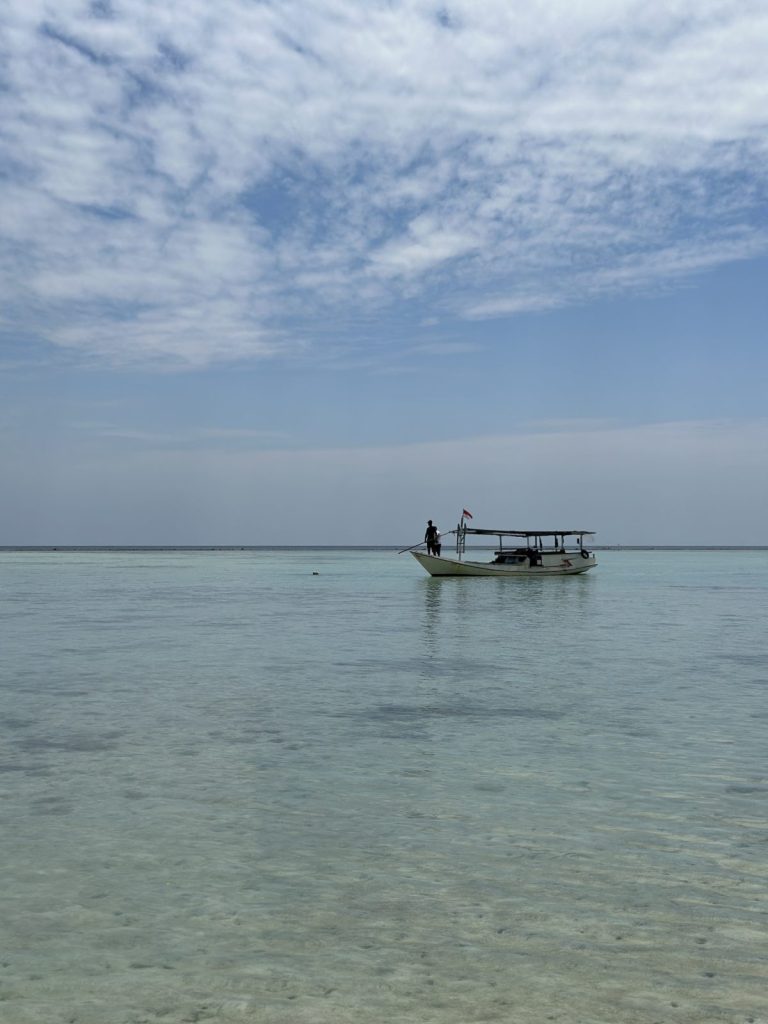


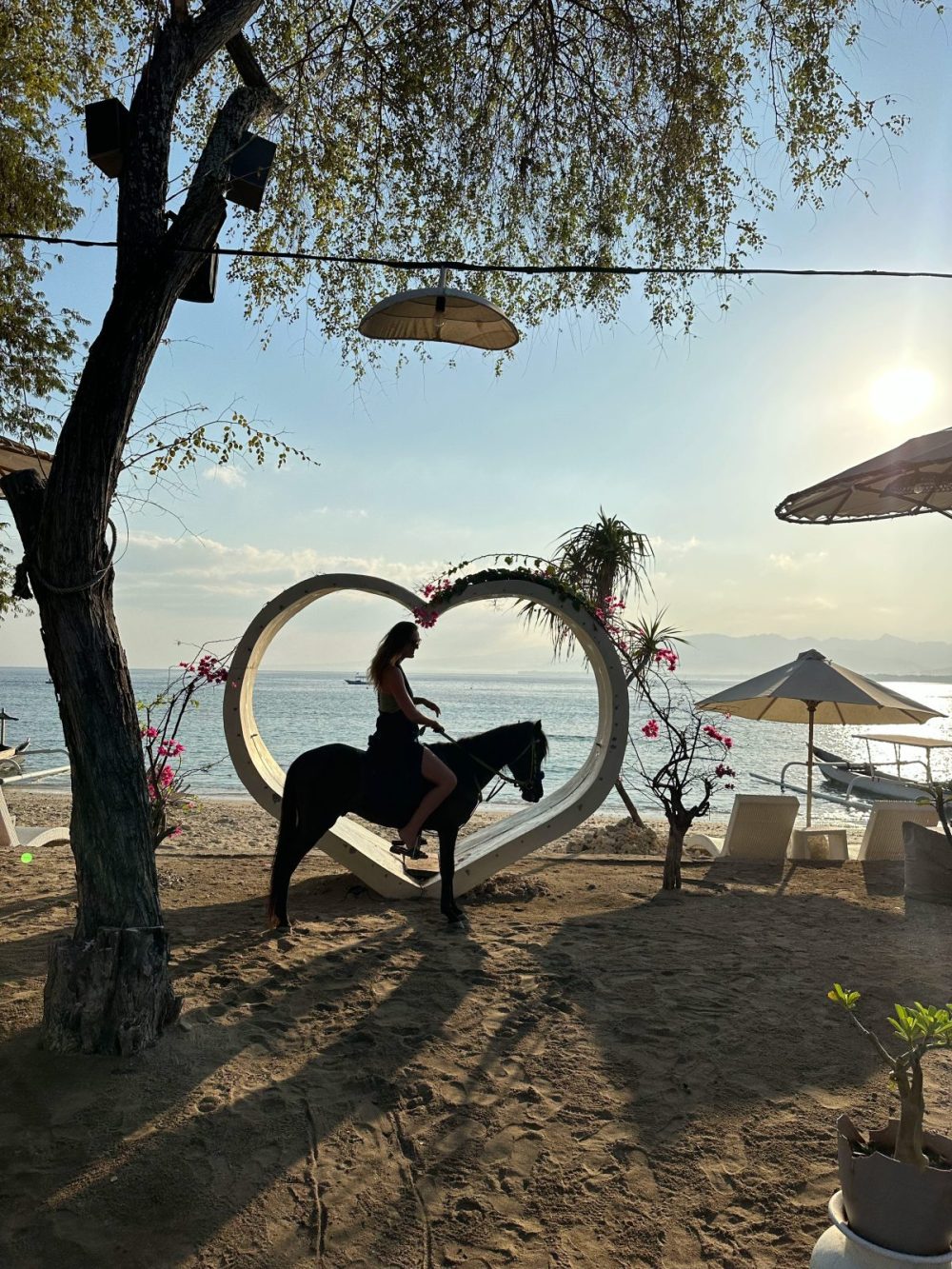
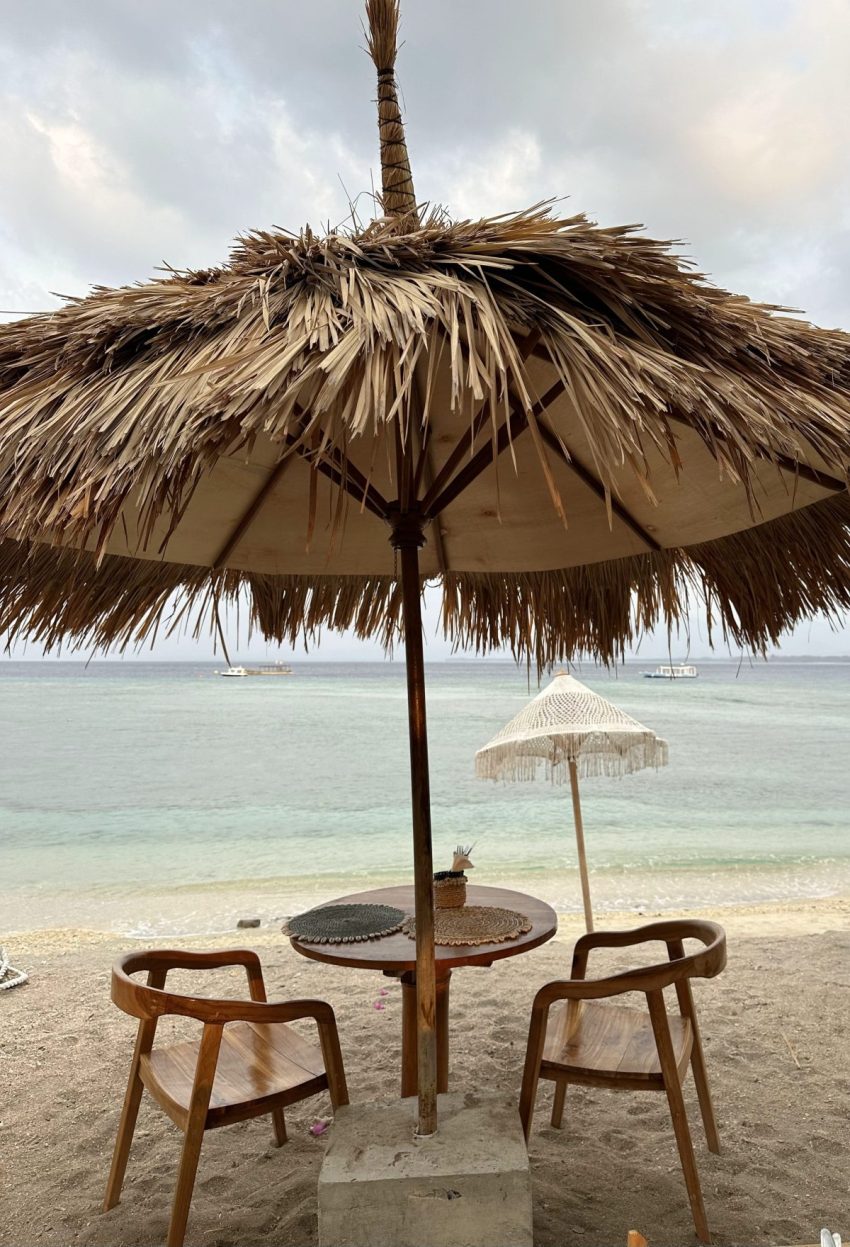
Gili Air is one of the best islands in Indonesia if you want turquoise water, beach cafés, snorkeling with turtles and a slower island vibe without being completely cut off from the world. It sits between Gili Trawangan and Gili Meno, which is exactly why people love it. It is calmer than Gili T, but less sleepy than Gili Meno.
There are no cars or motorbikes on Gili Air, so you get around by walking, cycling or taking a horse cart. The island is small, relaxed and easy to explore, with sandy paths, beachfront restaurants and sunset spots that make it very difficult to pretend you are having a productive day.
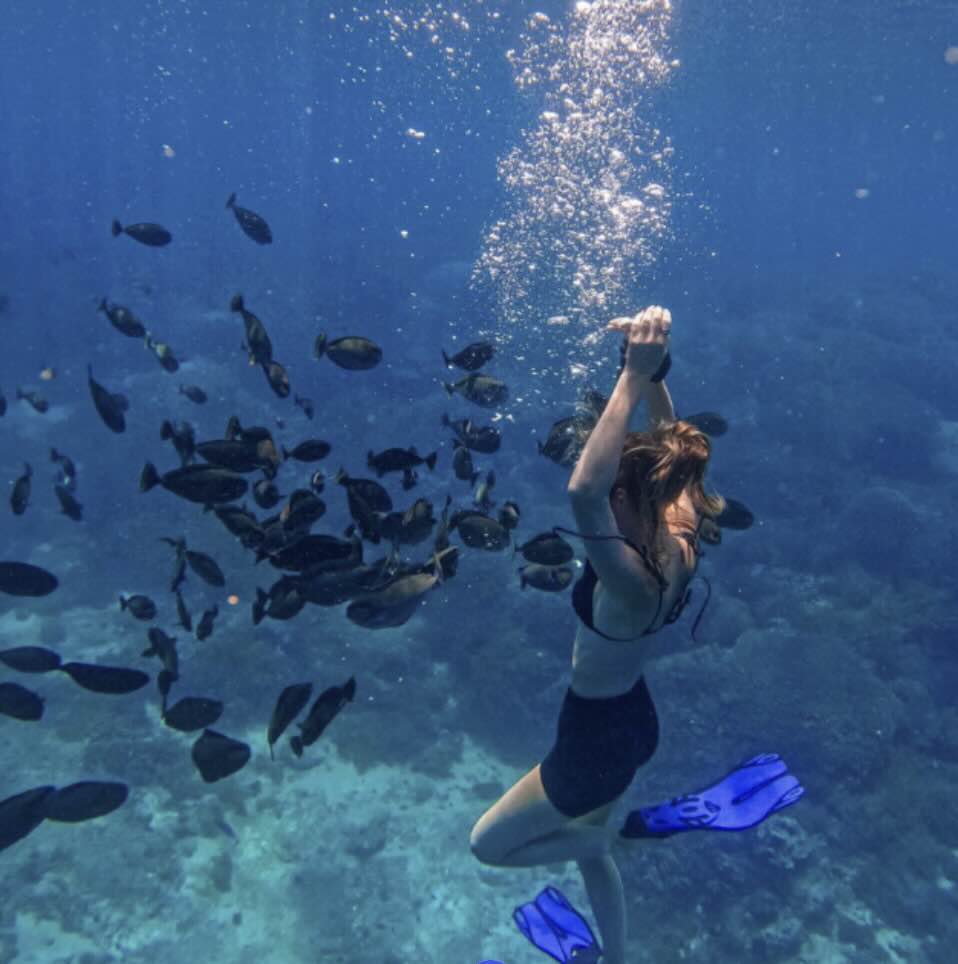
The best thing to do on Gili Air is snorkel. You can join a boat trip around the three Gili Islands or snorkel straight from the beach in certain areas. Turtle sightings are common, although never guaranteed, because turtles are not paid actors and frankly have their own schedule.
You can also cycle around the island, take a freediving or diving course, watch sunset from the west side, join a yoga class, or spend a full afternoon doing absolutely nothing in a beach chair. Which, let’s be honest, is sometimes the most underrated travel activity.
Why choose Gili Air? Choose Gili Air if you want easy tropical island life without feeling completely isolated. It also combines beautifully with Lombok.
DON’T CHOOSE GILI AIR IF: you’re looking for serious culture or lots of inland exploration. This is very much a swim, snorkel, eat, sunset, repeat situation.


Gili Meno: The Quietest Gili Island for Couples, Beaches, Turtles and Relaxation
Best for: Quiet beaches, snorkeling, turtles, couples and slow island days
Location: Gili Islands, northwest of Lombok
How long to stay: 2 to 3 days
Best time to visit: Dry season, especially May to October
Good for families: Yes, especially if you want a calm beach stay
Vibe: Peaceful, romantic, sleepy and very laid-back
Getting around: Walking, bicycle or horse cart
Main downside: It can feel too quiet if you want nightlife, shopping or lots of restaurant options


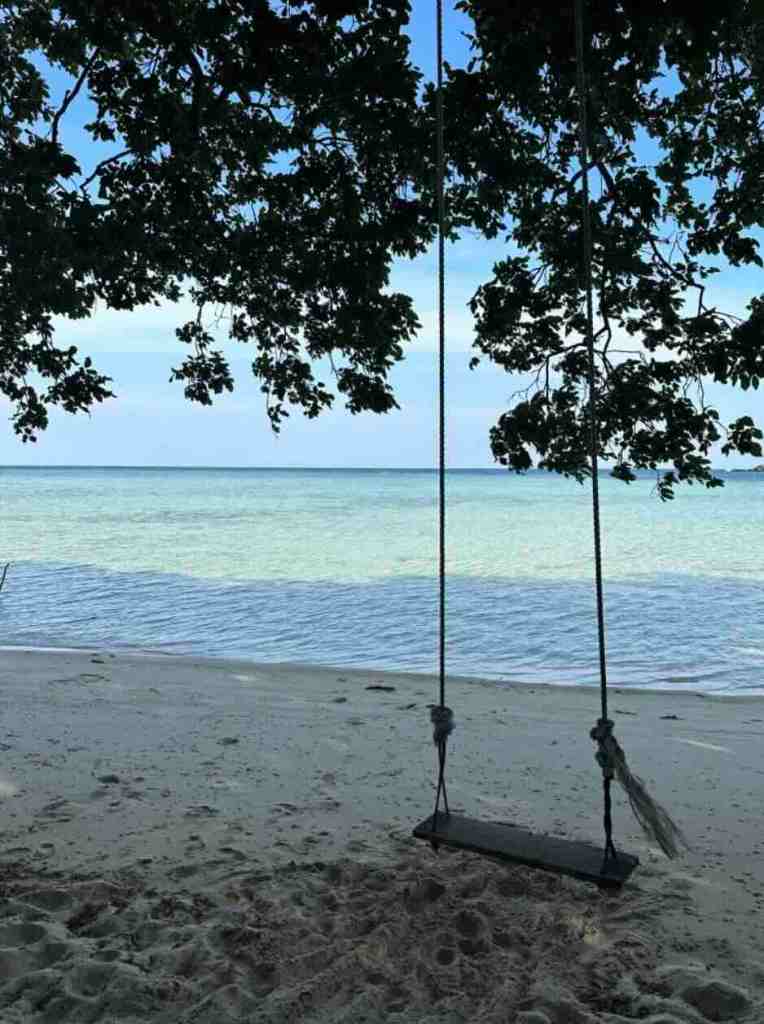


Gili Meno is the quietest of the three main Gili Islands and one of the best islands in Indonesia. There’s also excellent snorkeling around the island, including turtle encounters and the famous underwater statues.
It sits between Gili Trawangan and Gili Air, but the atmosphere is much more peaceful. This is not the island for wild nightlife or packed beach clubs. This is the island for reading, swimming, snorkeling, slow dinners and pretending you have become a calm person.
There are no cars or motorbikes on Gili Meno, so everything feels simple and stripped back. You get around by walking, cycling or taking a horse cart, although the island is small enough to explore on foot. It is especially popular with couples, honeymooners, families with young kids and travelers who want the Gili Islands without the party noise.
Why choose Gili Meno? Choose Meno if peace and quiet are the entire point.
DON’T CHOOSE GILI MENO IF: you get bored after approximately twelve minutes of relaxing.

Gili Asahan: Lombok’s Hidden Island Escape in the Southwest Gilis
Best for: Quiet beaches, snorkeling, remote island vibes and total relaxation
Location: Southwest Lombok, Indonesia
How long to stay: 1 to 3 days
Best time to visit: Dry season, especially May to October
Good for families: Yes, if you want a peaceful beach stay and do not need lots of facilities
Vibe: Remote, peaceful, simple and very laid-back
Getting around: Walking, boat trips and possibly bicycles depending on where you stay
Main downside: Limited restaurants, shops and facilities compared to the main Gili Islands
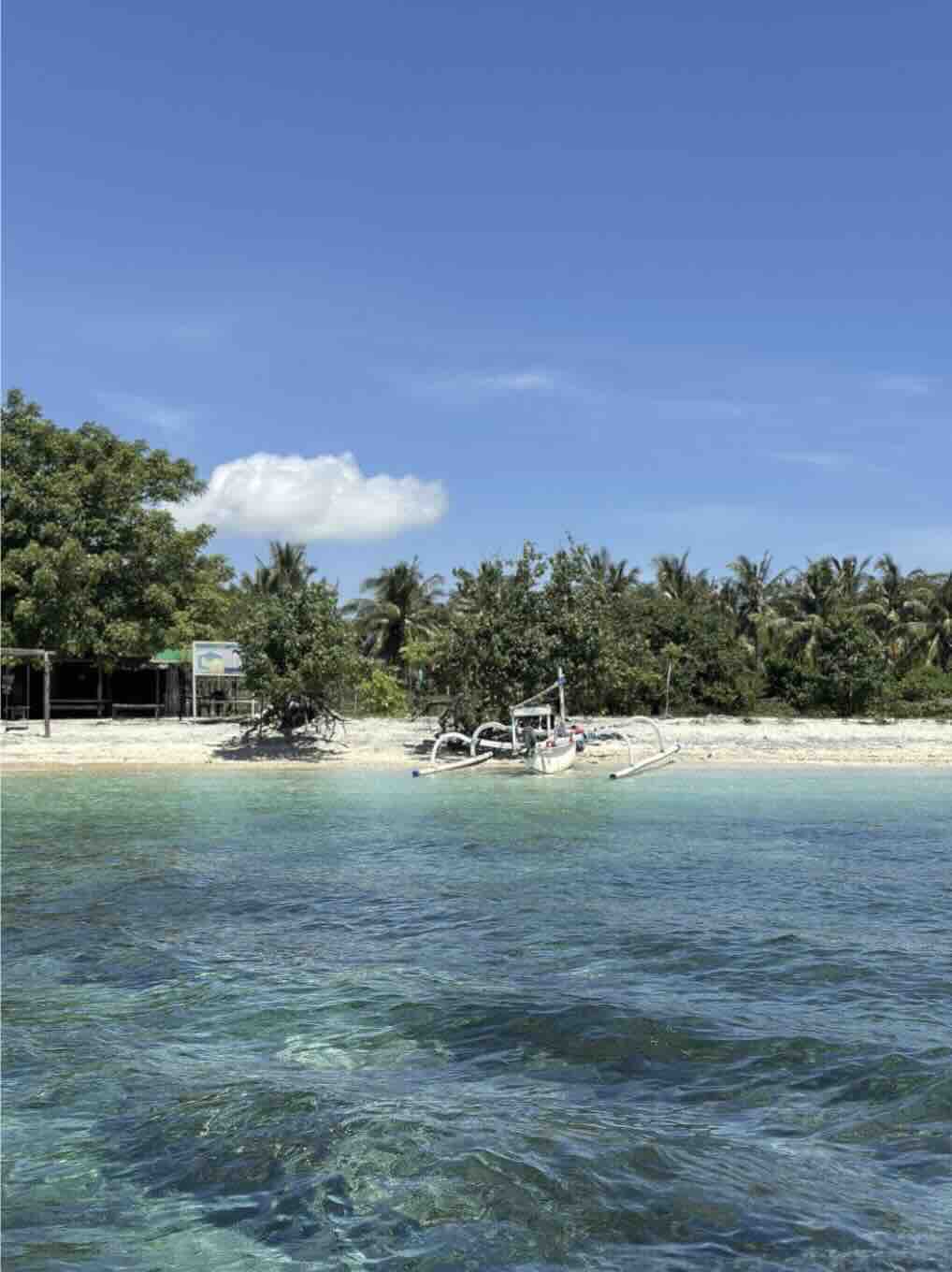

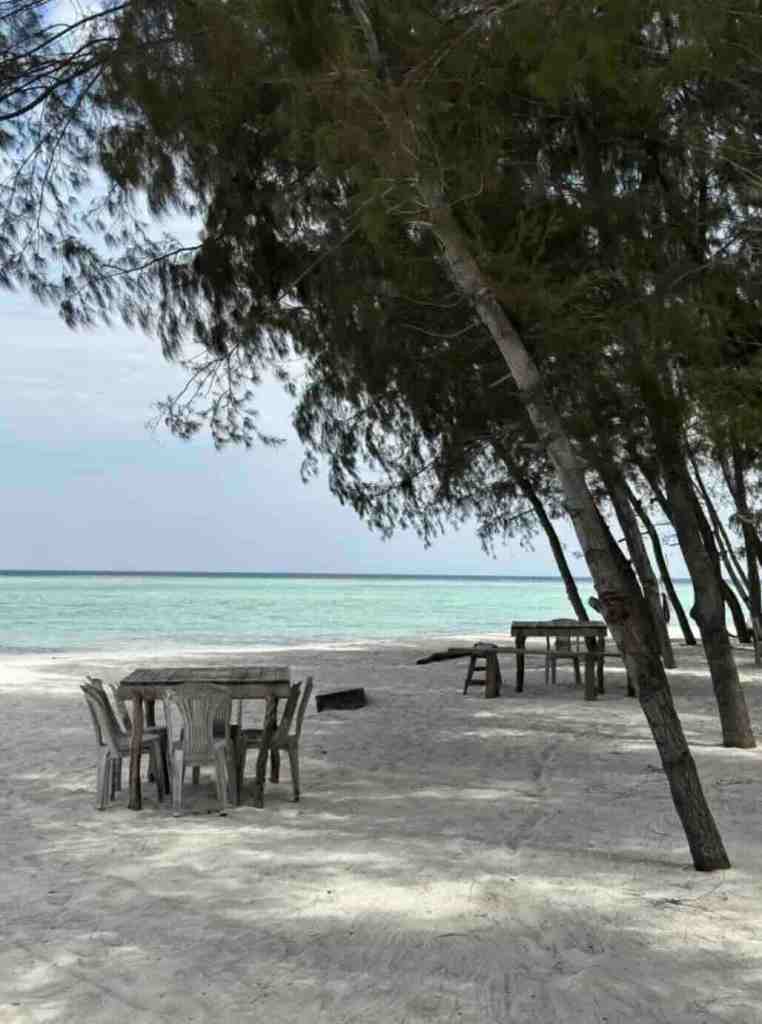
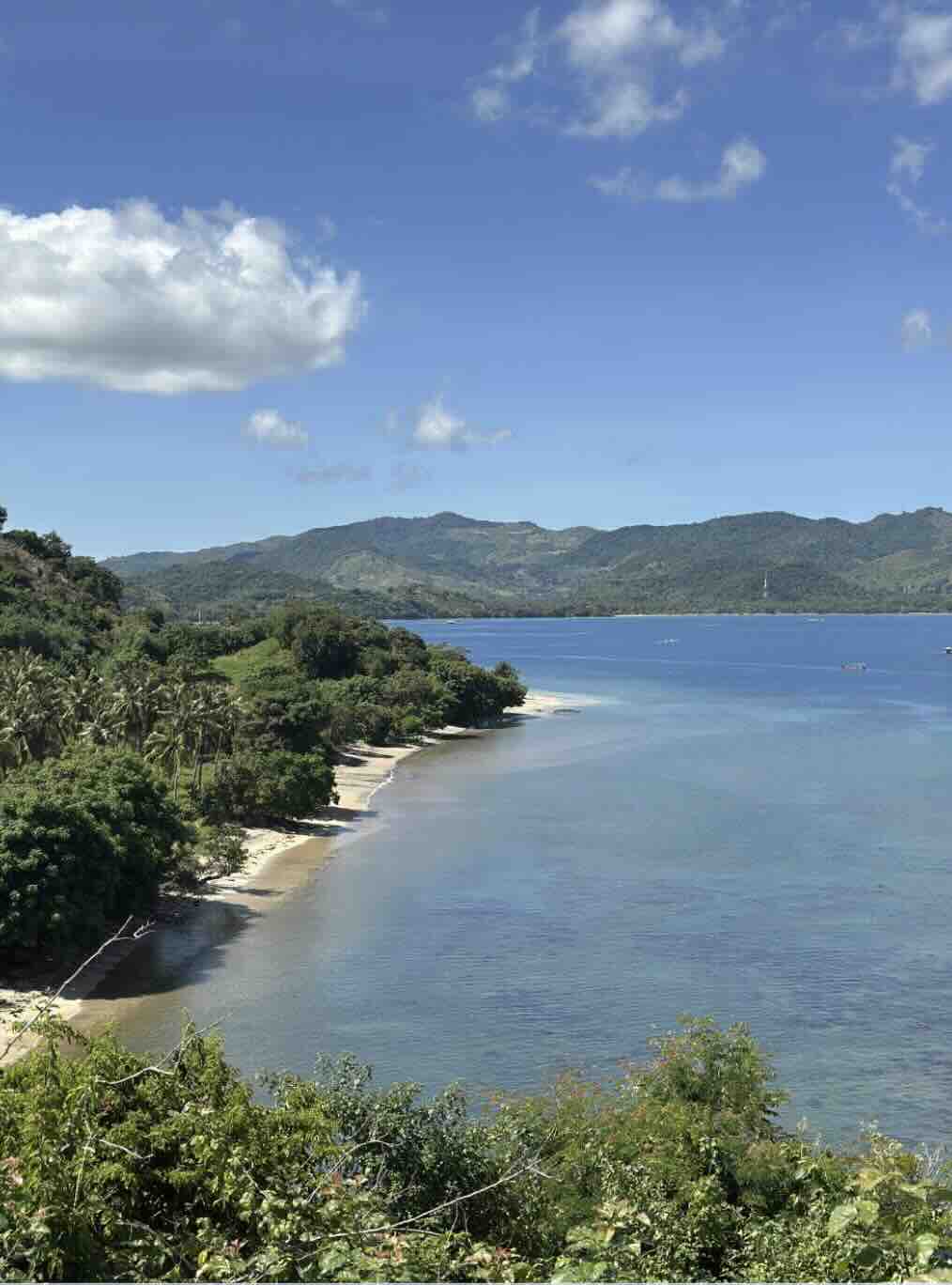
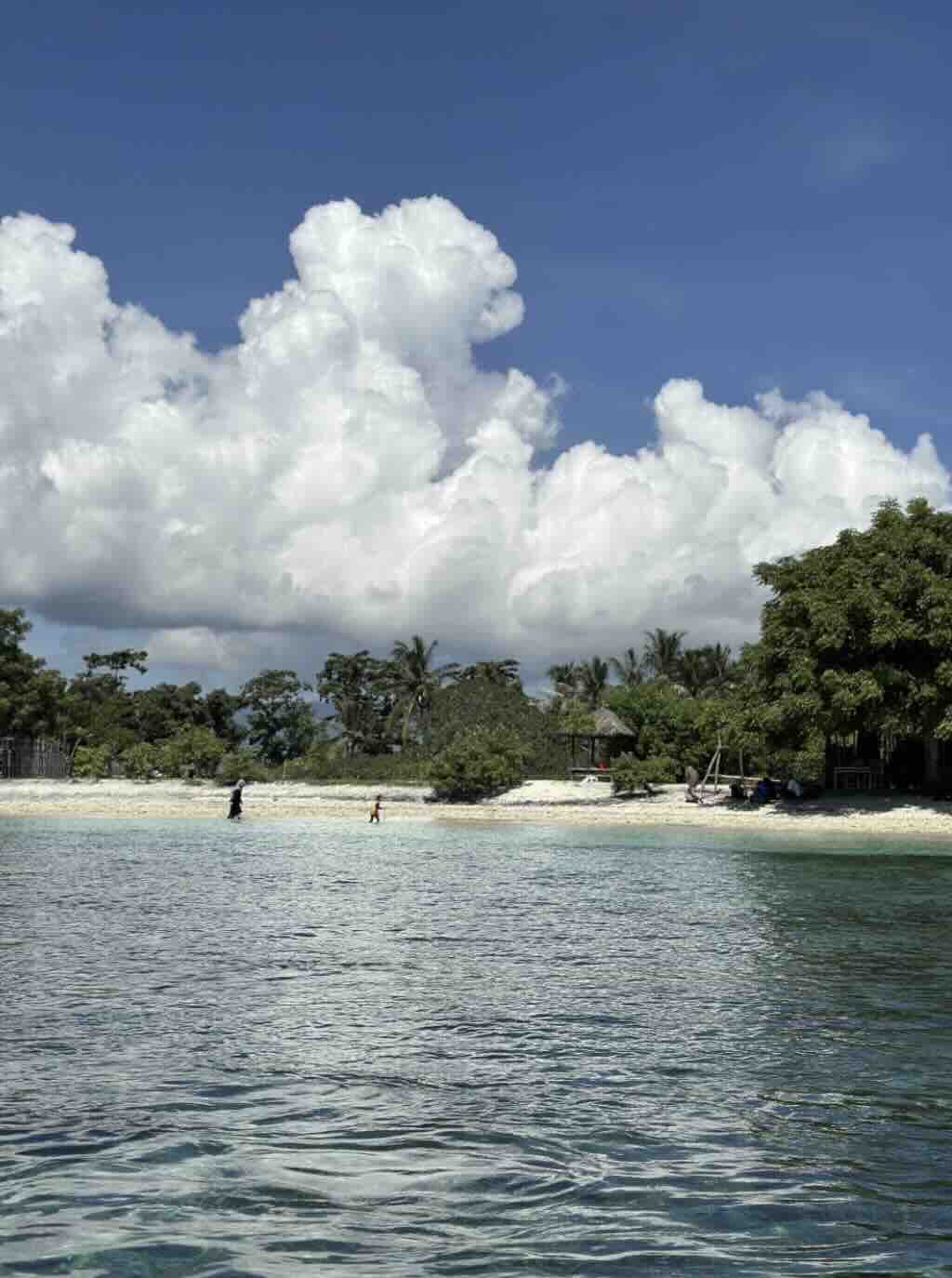
Gili Asahan is one of the best islands in Indonesia if you want a quiet beach escape far away from the usual Bali and Gili Islands crowds. It is part of the Southwest Gilis, a small group of islands off the southwest coast of Lombok, and it feels completely different from Gili Trawangan, Gili Air and Gili Meno.
This is not the island for nightlife, shopping or a packed itinerary. The best things to do on Gili Asahan are snorkeling, swimming and taking a boat trip around the nearby Southwest Gilis. You can visit islands like Gili Layar, Gili Gede or Gili Rengit, depending on the route and sea conditions. The water around this part of Lombok can be beautifully clear, and the whole area feels much less commercial than the famous northern Gili Islands.
You can also walk along the beach, enjoy a slow lunch by the water, kayak or paddleboard if your accommodation offers it, watch sunset and fully commit to doing almost nothing. Gili Asahan is not about ticking off attractions. It is about the kind of quiet island day where time becomes slightly fake and your biggest decision is whether to swim before or after your coconut.
Combine it with a Lombok road trip rather than treating it as a standalone Indonesia destination.
Why choose Gili Asahan? Choose Gili Asahan if your idea of luxury is clear water, snorkeling and almost nobody bothering you.
DON’T CHOOSE GILI ASAHAN IF: you need endless restaurants, nightlife or things to do.


CHOOSE ISLAND
Which Indonesian Island Should You Choose?
Best Island in Indonesia for First-Time Visitors
Bali. It’s simply the easiest place to begin. You have enormous accommodation choice, drivers, tours, restaurants and enough variety to fill several weeks.
First-time visitors can also comfortably combine Bali with Lombok, the Gilis, Nusa Islands or Komodo.
Best Indonesian Island for Beaches
Rote or Lombok. Rote wins if you want beaches that feel remote and undeveloped. Lombok wins if you want beautiful beaches but still want restaurants, accommodation and easier logistics.
Best Island for Snorkeling
Gili Air, Gili Meno or Gili Asahan. For a bigger marine adventure, I’d move beyond these islands entirely and choose Komodo.
Best Island for Culture
Java or Sumba. Java gives you temples, cities, trains and a much deeper look at everyday Indonesia. Sumba offers a completely different experience centred around traditional villages and local culture.
Best Island for Adventure
Komodo. Snorkeling, diving, dragons, hiking, boats, mantas and ridiculous scenery. Easy win.
Best Island for Volcanoes
Java. Bromo + Ijen alone make a very convincing argument. Lombok comes second because of Rinjani.
Best Island for Couples
Gili Meno for doing absolutely nothing together.
Bali if you want beautiful hotels, restaurants and activities as well.
Best Island Without Crowds
Rote. Followed by Gili Asahan and parts of Sumba.
Bali or Lombok?
Choose Bali for variety, food, temples, accommodation and convenience.
Choose Lombok for beaches, surfing, mountains and fewer crowds.
Bali or Sumba?
These are almost opposite trips. Choose Bali if you want convenience.
Choose Sumba if you want adventure.
Rote or Sumba?
This one is much closer.
Choose Rote primarily for beaches, snorkeling and slow island exploration.
Choose Sumba for road trips, landscapes, villages and culture.
ISLAND HOPPING
How to Plan an Indonesia Island-Hopping Trip
Indonesia is far too big to cover properly in one trip, so plan around clusters of islands that connect logically. Trying to see the whole country in 14 days is unrealistic.
2 Weeks in Indonesia
For a classic island-hopping route, combine Bali, the Nusa Islands, Lombok and Gili Air. If you want more culture and dramatic landscapes, Java and Bali work brilliantly together. And for a true bucket-list trip, pair Bali with Komodo for beaches, dragons, snorkeling and some of Indonesia’s most spectacular scenery.
Planning to spend your whole trip on the island? Check out my 2-Weeks in Bali Itinerary for a day-by-day route covering the best of Bali without rushing.
3 Weeks in Indonesia
For three weeks in Indonesia, one of the strongest first-time routes is Java → Bali → Lombok → Komodo. Start in Java for temples, volcanoes and cities like Yogyakarta, continue to Bali for rice terraces, waterfalls, beaches and culture, then cross over to Lombok for a quieter island experience before finishing with Komodo National Park for snorkeling, dramatic islands and, obviously, Komodo dragons. It gives you a huge amount of variety without turning the entire trip into airports, ferries and packing your suitcase every two days.
Planning to spend multiple weeks around Indonesia? Check out my 3-Weeks in Indonesia Itinerary for the complete route, how long to spend in each destination and the best way to travel between them.
4+ Weeks in Indonesia
For four weeks in Indonesia, you can start getting much more adventurous.
A route like Java → Bali → Nusa Islands → Lombok/Gilis → Komodo gives you volcanoes, temples, rice terraces, tiny tropical islands, diving and some of Indonesia’s most spectacular landscapes.
Or, if you have already seen the classics and want something more remote, Bali → Komodo → Sumba → Rote takes you much farther off the usual tourist trail. With a full month, you finally have enough time to slow down, spend longer on each island and include places that simply do not make sense on a rushed two-week trip.
WHEN TO VISIT
Best Time to Visit the Islands of Indonesia
For many of the islands on this list, May through October is the easiest period to travel.
You’ll generally have better conditions for:
- beaches
- snorkeling
- diving
- volcano hikes
- road trips
- boat trips
- ferries
July and August usually bring good weather but also more visitors and higher prices.
I personally think May, June, September and October are particularly attractive because you’re more likely to get good weather without peak-season crowds.
But Indonesia is enormous, so there isn’t one perfect weather pattern covering the entire archipelago. Weather and sea conditions can also change quickly, particularly if your trip involves ferries, snorkeling or boat travel. Before travelling between islands, I recommend checking the latest forecast from BMKG, Indonesia’s official meteorological agency.
TRAVEL TIPS
Indonesia Island Travel Tips
1. Don’t try to visit too many islands
This is my number-one tip. Four islands in ten days sounds fabulous until you realise you’ve spent half your holiday checking out of hotels and wondering whether your ferry is actually coming.
2. Check transportation before choosing your route
Look at flights and ferry connections before booking accommodation. Two islands sitting relatively close together on a map don’t necessarily have a convenient connection.
3. Build buffer days around ferries and boats
Especially if you have an international flight afterwards. Sea conditions can change quickly and ferry schedules are not something I’d bet my flight home on. Check the latest marine and weather conditions through BMKG before taking longer boat or ferry journeys, and always leave yourself some buffer time.
4. Don’t assume remote Indonesia is cheaper
This surprises people. Remote islands can actually become expensive because you’re paying for private transport, boats, limited accommodation and complicated logistics. Komodo and Sumba are good examples.
5. Learn a little Bahasa Indonesia
Outside Bali and the main tourist destinations, English becomes much less common. Even a few basic phrases in Bahasa Indonesia go a long way.
6. Travel responsibly
Don’t touch coral, chase wildlife, stand on reefs or treat villages and ceremonies like Instagram sets.
Small islands are particularly vulnerable to tourism pressure, plastic waste, water shortages and reef damage.
EXPLORE MORE
Continue Exploring Indonesia
Komodo is incredible, but it gives you a very particular version of Indonesia: boats, wildlife, diving and dramatic dry islands.
If you’re building a longer trip, continue with my 2-Weeks in Bali Guide, or my 3-Week Indonesia Itinerary to see how I would combine different parts of the country without turning the entire holiday into transport.
Indonesia has some incredible volcano hikes, from Mount Bromo and Kawah Ijen in Java to Mount Rinjani in Lombok and Bali’s sunrise volcanoes. If this is your thing, check out my Volcanic Hikes In Indonesia Guide.
For help planning the rest of your trip, my Complete Indonesia Travel Guide covers the best islands, transport, weather, accommodation and practical travel tips.
TROPICAL GETAWAY
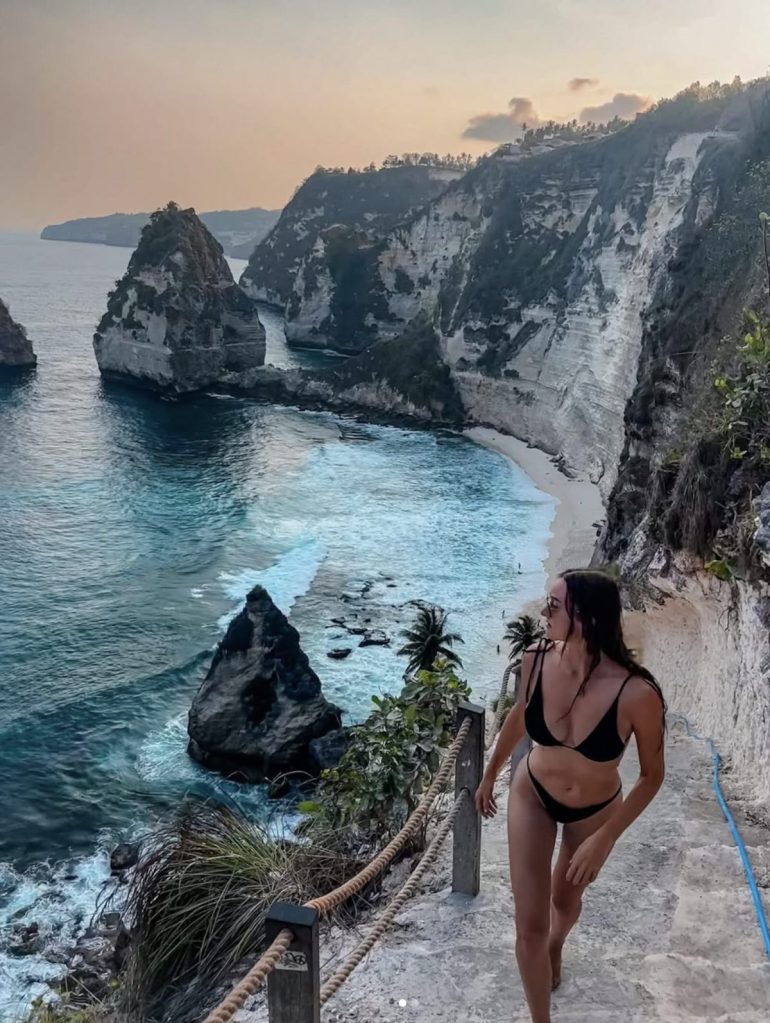
Nusa Islands Travel Guide
THE ISLAND THAT HAS IT ALL
Bali Travel Guide
TRAVEL GUIDE
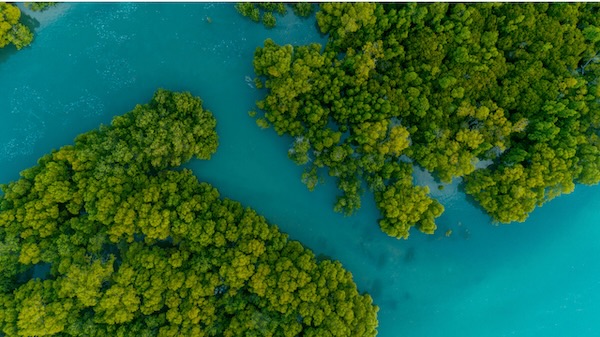
Rote Travel Guide

ISLAND LIFE
Lombok Travel Guide
BEST RUGGED ROADTRIP ISLAND
Sumba Travel Guide

LIVEABOARD EXPERIENCE
Komodo Travel Guide

CULTURAL ROUTE
Java Travel Guide
Frequently Asked Questions About the Best Islands in Indonesia
What is the best island to visit in Indonesia for first-timers?
Bali is the best island in Indonesia for first-time visitors because it is easy to plan, well-connected and full of things to do. You can visit temples, rice fields, waterfalls, beaches, surf spots, volcano viewpoints and cafés without needing complicated travel logistics. It is not the quietest island in Indonesia, but it is the easiest place to start.
What is the most beautiful island in Indonesia?
That depends on what kind of beauty you mean. Nusa Penida is best for dramatic cliffs and bright blue water, Komodo National Park is incredible for island views and reefs, Sumba is wild and cinematic, and Lombok has some of the most beautiful beaches in Indonesia. Bali is beautiful too, but in the popular areas you will be sharing that beauty with traffic, scooters and at least seven people taking the same photo.
Which Indonesian island is best for beaches?
Lombok is one of the best islands in Indonesia for beaches, especially around Kuta Lombok, Tanjung Aan, Selong Belanak and Mawun Beach. The Gili Islands are also great for beach days, especially Gili Air and Gili Meno if you want clear water, snorkeling and a slower island vibe.
Which island in Indonesia is best for snorkeling?
Komodo National Park is one of the best places in Indonesia for snorkeling, especially around spots like Manta Point, Pink Beach and Sebayur. The Gili Islands are also great for easier snorkeling, especially if you want a chance to see turtles. Nusa Lembongan and Nusa Penida are good options too, especially for snorkeling trips and manta ray tours when conditions are right.
Which Indonesian island is best for adventure?
Java, Lombok, Komodo and Sumba are the best islands in Indonesia for adventure. Java has volcanoes, temples, caves and train travel. Lombok has Mount Rinjani, waterfalls and surf beaches. Komodo National Park has liveaboards, dragons, reefs and island hikes. Sumba has wild road trips, traditional villages, waterfalls and empty beaches.
Which island in Indonesia is best for families?
Bali is the easiest island in Indonesia for families because it has good hotels, restaurants, private drivers, family-friendly beaches and plenty of activities. Sanur, Ubud, Nusa Dua and parts of Canggu work well for families. Nusa Lembongan, Gili Air and Lombok can also be great with kids, but you need to plan transport and accommodation a little more carefully.
Is Bali or Lombok better?
Bali is better if you want culture, cafés, temples, beach clubs, yoga, shopping and easy travel logistics. Lombok is better if you want quieter beaches, surfing, waterfalls, Mount Rinjani and a more adventurous island feeling. Bali is more developed and convenient. Lombok feels more spacious and less polished, which is exactly why many people love it.
Is Gili Air or Gili Meno better?
Gili Air is better if you want a relaxed island that still has restaurants, beach cafés, dive shops and a bit of social energy. Gili Meno is better if you want the quietest Gili Island, peaceful beaches, turtles and a more romantic or slow escape. If you are unsure, choose Gili Air. If you know you want silence and very little happening, choose Gili Meno.
Is Nusa Penida or Nusa Lembongan better?
Nusa Penida is better for dramatic cliffs, famous viewpoints, big landscapes and adventure. Nusa Lembongan is better for an easier, calmer island stay with beaches, snorkeling, sunsets and more relaxed roads. Penida is more impressive. Lembongan is more comfortable. Choose based on whether you want drama or ease, basically the same logic as dating, unfortunately.
How many islands should I visit in Indonesia?
For a first Indonesia trip, do not try to visit too many islands. For 10 days, choose 2 islands. For 2 weeks, choose 2 to 3 islands. For 3 weeks, you can visit 4 to 5 islands if the route makes sense. Indonesia is huge, and island hopping takes time, so it is better to enjoy fewer places properly than spend half your trip on boats, planes and mildly suspicious transfer vans.
What is the best time to visit the islands in Indonesia?
The best time to visit most islands in Indonesia is during the dry season, usually from May to October. This is the best period for beaches, snorkeling, hiking, boat trips and volcano views. July and August are busier, so May, June, September and October can be a nice balance between good weather and fewer crowds.
Is island hopping in Indonesia easy?
Island hopping in Indonesia can be easy if you stick to popular routes like Bali, Nusa Lembongan, Nusa Penida, the Gili Islands and Lombok. It gets more complicated when you add places like Sumba, Komodo National Park or deeper parts of Java, because you may need flights, ferries, private drivers or liveaboards. The key is to plan by region instead of randomly jumping across the map like a caffeinated geography teacher.
Which island in Indonesia should I not miss?
For most travelers, the island not to miss is Bali, simply because it is the easiest gateway and offers the most variety. But if you want something more adventurous, Komodo National Park is one of the most unforgettable places in Indonesia. If you want wild beaches and landscapes, choose Sumba. If you want volcanoes and culture, choose Java. If you want beaches and Mount Rinjani, choose Lombok.
What is the cheapest island to visit in Indonesia?
Java is often one of the cheaper islands to travel through because trains, local food and guesthouses can be very affordable. Bali and Lombok can also be budget-friendly if you avoid luxury areas and expensive beach clubs. Komodo National Park is usually more expensive because boat trips, liveaboards and park fees add up quickly.
What is the best island in Indonesia for a honeymoon?
Gili Meno, Nusa Lembongan, Bali and Komodo National Park are great honeymoon choices, depending on your style. Gili Meno is quiet and romantic, Nusa Lembongan is easy and relaxed, Bali has the best luxury villas and restaurants, and Komodo is perfect if you want a liveaboard adventure instead of a classic beach honeymoon.
What is the best island in Indonesia for a 3-week itinerary?
For a 3-week Indonesia itinerary, a strong route would combine Java, Bali, the Gili Islands, Lombok and Komodo National Park. This gives you temples, volcanoes, beaches, snorkeling, Mount Rinjani, Komodo dragons and a liveaboard experience. It is a lot, but it gives you a proper mix of culture, adventure and island life.
Is Rote Island worth visiting?
Yes, especially if you like quiet beaches, surfing, snorkeling and road trips without crowds. Rote is much less developed than Bali or Lombok, which is exactly what makes it appealing. It is better for travelers who enjoy exploring independently than for people looking for polished resorts and nightlife.
How many days do you need in Rote Island?
I recommend at least 5 days, but 7 to 8 days is ideal for exploring western Rote without rushing. If you also want to visit East Rote, Mulut Seribu and Laut Mati, allow around 10 days.
Is Rote better than Sumba?
It depends on the trip you want. Rote is better for beaches, surfing, snorkeling and a slower island atmosphere, while Sumba is stronger for dramatic landscapes, waterfalls, traditional villages and bigger road-trip scenery. Rote generally feels easier and more relaxed, while Sumba feels wilder and more rugged.
How do you get to Rote Island from Bali?
The easiest route is to fly from Bali to Kupang in West Timor, then continue to Rote by a short domestic flight or ferry. There is no direct Bali to Rote flight, so Kupang is the main gateway for most travelers.


NEWSLETTER
Subscribe for travel tips, new vlogs & life behind the scenes.
© 2026 Keep Up With Car – All rights reserved.
